7 Portes
An 1836 dining room under the arcades, serving rice at the same address for two centuries.
In verification
Addresses we have been to
Eat & Drink
Restaurants, tavernas, cafés and bars, verified the same way as everything else: we went, or the facts are documented — never guessed.
An 1836 dining room under the arcades, serving rice at the same address for two centuries.
Proof of the rule: leave the Rambla by two streets and the food changes entirely.
Nineteenth-century absinthe under the same dusty chandeliers — patina nobody installed.
No menu in sight — the counter decides, and the frying is the point.
The busiest tapas counter in the Eixample — volume, speed and rare consistency.
The elBulli inheritance — booked months ahead, eaten over hours.
The cathedral market off the Rambla — and the counters at the back where the city actually eats.
Through the pastrami-shop door to one of the most decorated bars in the world.
Four generations in a cupboard-sized room: montaditos built to order under walls of bottles.
One doorway, one drink, no seats — the shortest ritual in the city.
Henrique Sá Pessoa in the Chiado — a long menu that only fits a night ashore.
Shellfish by weight, paper on the table, and a queue that is part of the design.
A car-park roof in Bairro Alto with the bridge in the sunset — the lift is the filter.
The original custard tart, its own recipe, and two entirely different queues.
A cabinet of curiosities that serves drinks — rooms of vitrines, classic cocktails, no hurry.
Produce-led Portuguese cooking in a daylit room behind the cathedral.
A blackboard, a counter, and a menu that changes with the morning market.
Thirty-odd kitchens under the old market roof, opposite the station for Belém.
Congo childhood, Marseille fire and sea — the most singular table in the south.
Pagnol's bar on the quay, where pastis and card games still set the pace of an afternoon.
Marseille's original speakeasy — the address arrives with the reservation, not before.
No website, no telephone, no menu in translation — and the best lunch in Le Panier.
The full liturgy of bouillabaisse in a fishing cove that time forgot.
A first-floor balcony over the Vieux-Port, and the basilica lit up straight ahead.
A haberdasher's turned open kitchen — the new Marseille table, ten minutes from the port.
The bouillabaisse by the book, on the quay — signatory to the charter that defines it.
The two things Marseille eats daily: chickpea fritters, and a boat-shaped biscuit from 1781.
Ciro Salvo's high-hydration pizza at the far end of the seafront, and a table you can actually book.
The corner wine shop Chiaia treats as its living room, with the aperitivo spilling into the street.
The Tribunali dynasty — high hydration, cloud-edged crust, and pizza as a surname.
The belle époque café of the city — stucco, an espresso taken standing, and the sospeso.
Two pizzas on the menu, margherita and marinara, and the most famous queue in the city.
The velvet-and-jazz hidden bar that put Naples on the Italian cocktail map.
The fried-pizza window on Tribunali — Neapolitan street food without dropping a level.
The bakery beside the station where the sfogliatella comes out hot on a loop.
Less a restaurant than a performance — fixed price, short menu, waiters in character.
A Baroque palace filled with fruit, flowers and opera — the least minimal bar in Spain.
The corner where Palma agrees to meet — and the llonguet that goes with it.
A ceiling of glass bottles and a seasonal list — the island's technical bar.
Ensaïmada, thick chocolate and almond ice cream under crystal chandeliers.
Giant oak barrels, paper tablecloths, and Mallorcan cooking that ignores fashion.
Recipes recovered from old notebooks — a bakery run as culinary archaeology.
Tiles, tinned fish and a house vermouth on siphon — midday ritual restored.
A seventeenth-century convent, and the island's reference kitchen inside it.
The mother market: Balearic fish, farm sobrassada, and oyster counters between the stalls.
A family-run Roman kitchen in the monument zone since 1961 — bookable, and only bookable.
The counterpoint to a Rome run by tickets: close tables, tradition, and no way to book your way in.
The shift-change bar of Trastevere — after the walking, before deciding whether the night continues.
Rome's only Michelin three-star, above the city at the Rome Cavalieri — a whole evening, not a port-day addendum.
Gabriele Bonci's first and defining address: pizza by weight at a counter, toppings set by the season.
Eating inside the pantry: a bottega with a kitchen and a cellar of 2,800 wines, and the friction is the point.
The counter rite of the Centro Storico: wood-roasted arabica since 1938, between the Pantheon and Navona.
A reservation-and-ritual speakeasy for a night when the cocktail is the destination — details pending manual verification.
Roman recipes compressed into a pocket of pizza bianca — the cradle of the trapizzino, at counter pace.
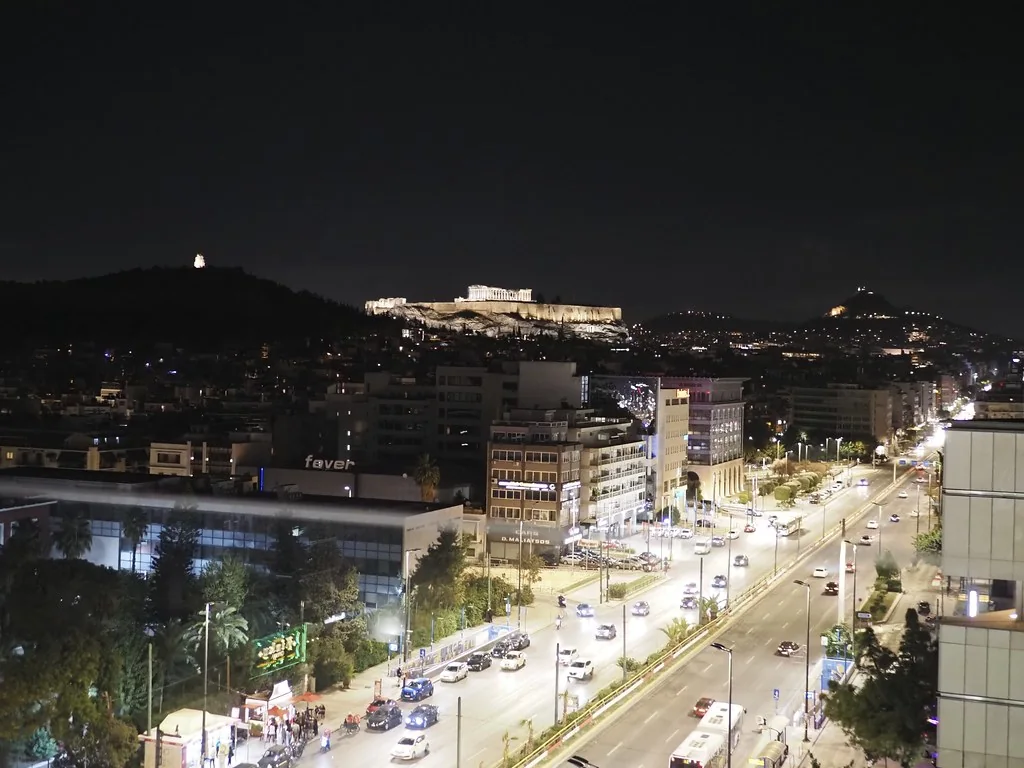
The view everyone photographs. Come at 18:30 on a weekday or not at all.
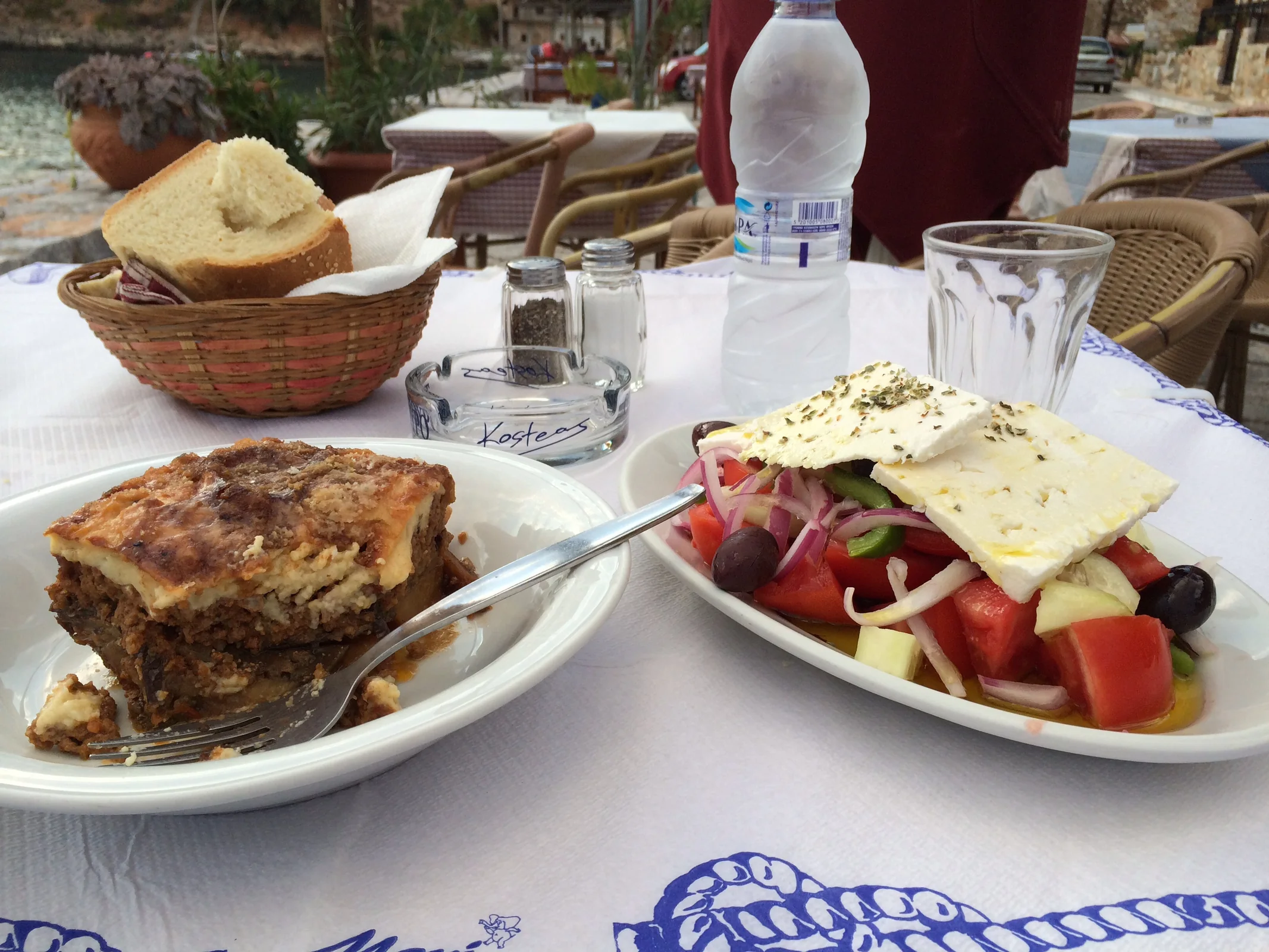
Neighbourhood cooking in Ano Petralona, unchanged since the eighties. Cash preferred.
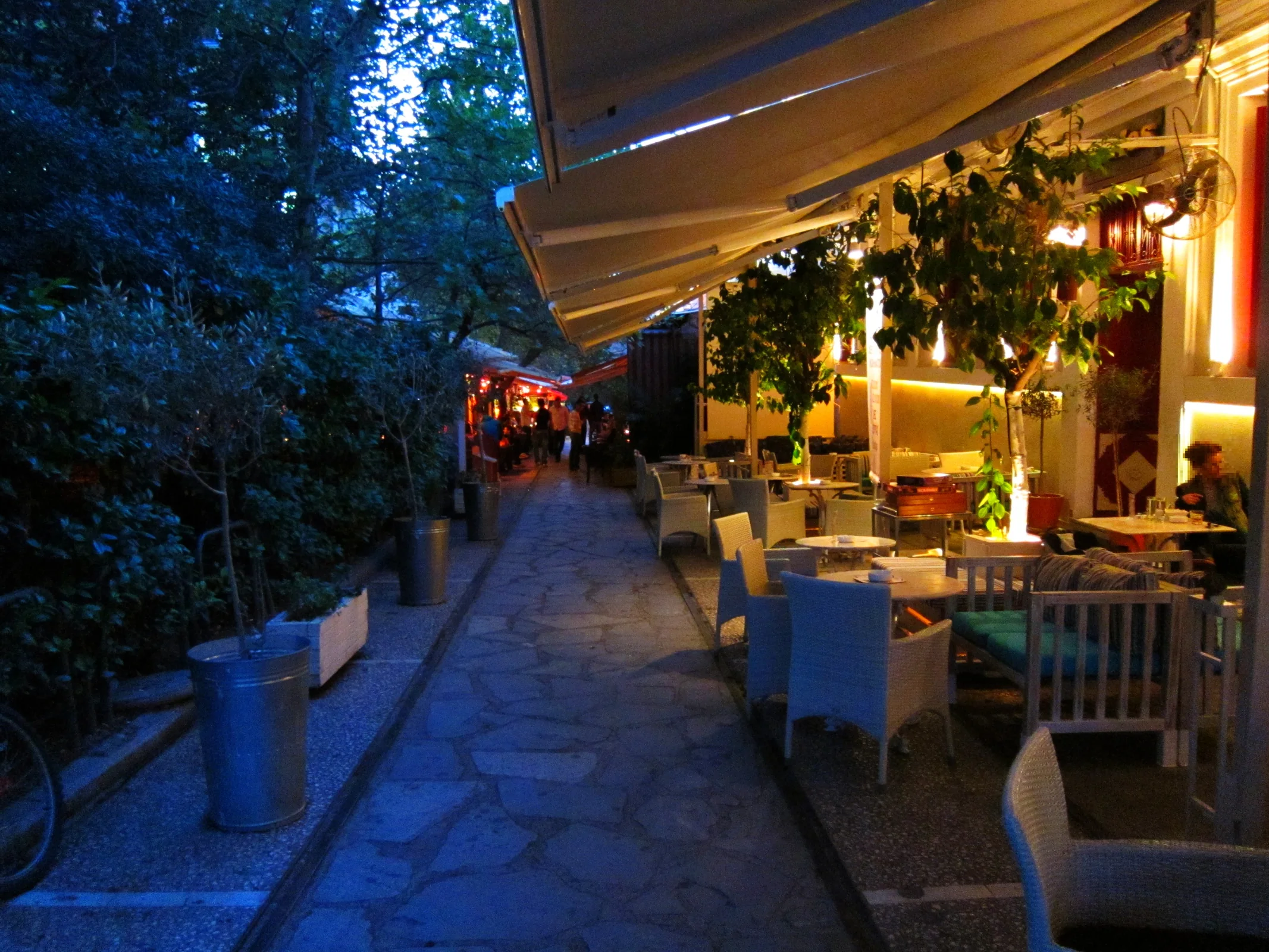
An all-day bar that behaves like a restaurant until the room turns over at eleven. Ask for the back room.
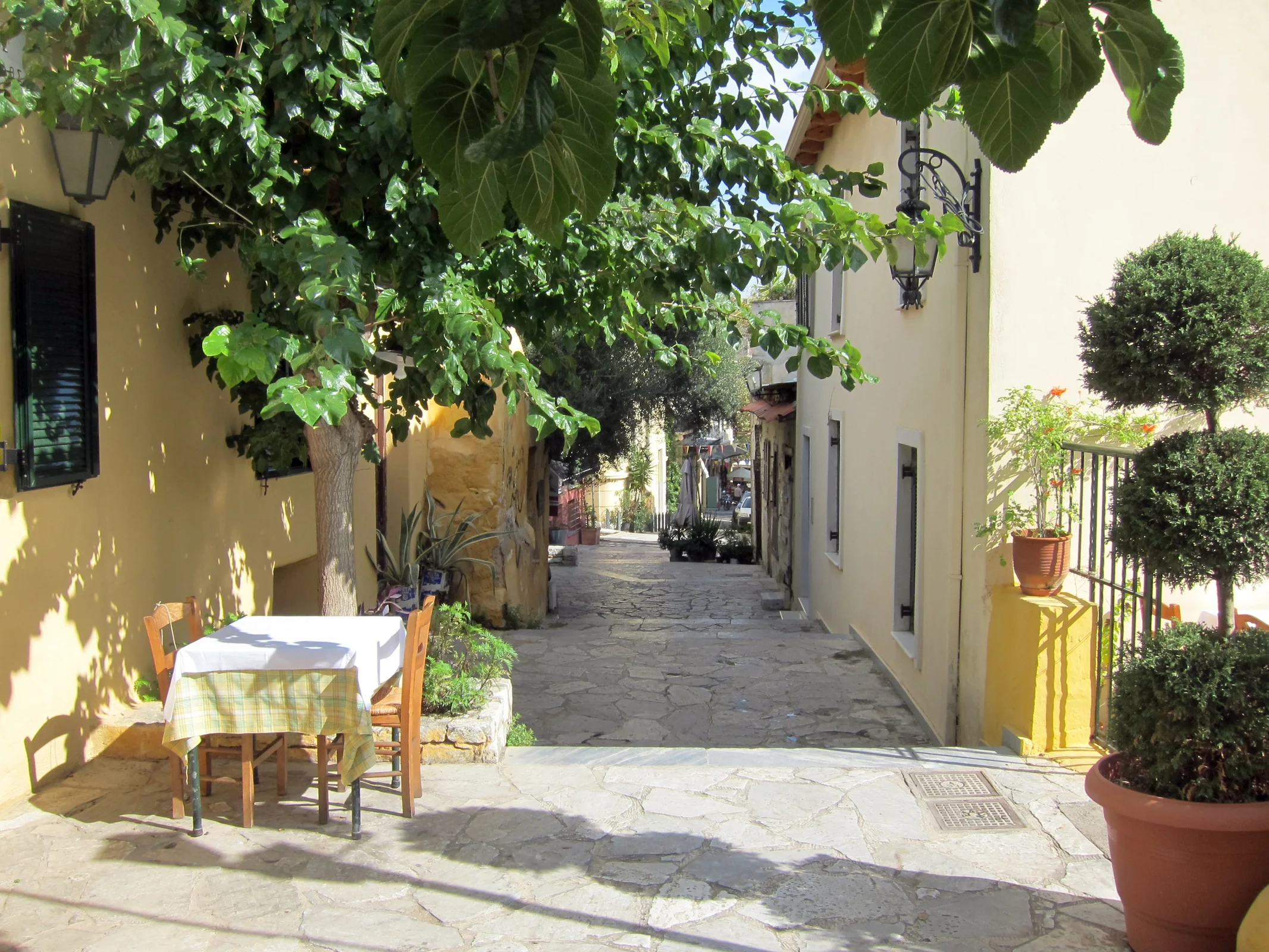
Steak and Greek fine dining in the same room without either one losing. Book two weeks out.
Looking for somewhere specific? Browse every destination.